
Storm Lilith: prepare your roof and find a roofer
Storm Lilith is a named storm on the 2025/26 Atlantic season list. Here is how to prepare your roof now, and who to call if it tracks toward your area.
Free and no obligation. Most roofers reply within 24 hours.
What do you need a roofer for?
Storm damage falls into a few common jobs. Pick what brought you here and we will point you to rated local roofers, free to contact.
Storm roofers in your county
Select your county to see rated local roofers, with Google ratings and phone numbers, ready for storm repairs and emergency call-outs.
Storm Lilith and your roof
Storm Lilith is one of the named storms on the Met Éireann, UK Met Office and KNMI list for the 2025/26 Atlantic season. This page is built and ready in advance, so the moment Storm Lilith is named and tracking toward Ireland you can see what it means for your roof and reach a rated local roofer fast. We will update it with the live Met Éireann warning level, the worst-hit counties and the expected timing as soon as the storm forms, so check back here or follow the official Met Éireann warnings for the latest.
Most named storms pass without major damage, but the ones that hit hard do their worst to roofs in minutes. Wind gets under slates and lifts them, strips and breaks ridge tiles, tears lead and flashing from chimneys, and lifts or punctures flat roofs, and driving rain then finds every gap. The first sign of storm roof damage is often a leak or a damp patch on a ceiling, sometimes a good distance from where the water is actually getting in. Older natural slate roofs, exposed and coastal homes, and farm buildings with large sheeted roofs are the most at risk, which is why the cheapest way through a storm is to get your roof checked and put right before Storm Lilith arrives.
Whether you are repairing damage now or getting ready for the next spell of bad weather, the steps are the same: make the roof safe and watertight first, then assess and repair properly. Below is the damage roofers deal with after a storm, what repairs cost, what your insurance covers, and the fastest way to get a rated local roofer to your door. For the wider picture see our emergency roof repairs service, and check your own roof with our roof storm-risk check.
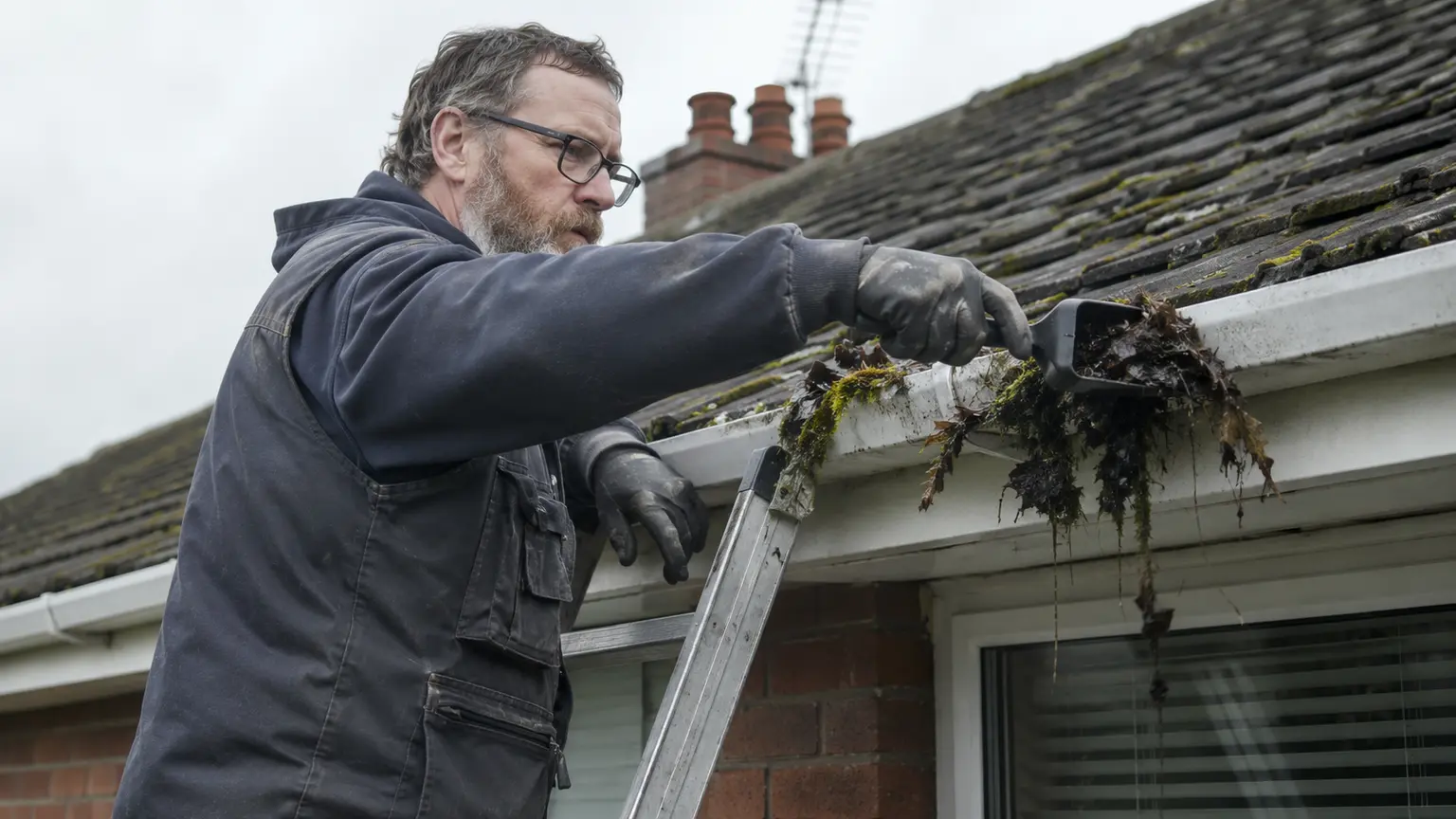
How to prepare your roof for Storm Lilith
The cheapest storm damage is the kind that never happens. A roof in good order, checked before the season, rides out a storm that wrecks a neglected one. Before Storm Lilith arrives, work through the basics, or get a rated local roofer to do it for you with a quick survey.
- Clear gutters, valleys and outlets so heavy rain can drain away
- Re-fix or replace any loose or slipped slates and tiles now
- Check and secure the lead and flashing around chimneys
- Secure or store anything in the garden that could become airborne
- Book a quick roof survey if your roof is older, exposed or coastal
Storm damage? Tell us the county, we will get a roofer to you
Choose your county and rated local roofers will come back to you with quotes, usually within 24 hours. No fees, no obligation.
26 counties covered, pick yours to get matched
Make-safe, repair or replace
Storm damage is dealt with in stages. A make-safe stops the water today, a permanent repair fixes the damage, and only the worst cases need a re-roof.
| Emergency make-safe | Permanent repair | Re-roof | |
|---|---|---|---|
| What it does | Stops water getting in | Fixes the damage properly | Replaces a failed roof |
| How fast | Same day where possible | Days | Days to weeks |
| Rough cost | EUR 150 to 600 | From EUR 400 | EUR 5,000+ |
| When needed | Active leak or exposure | Slipped slates, flashing | Widespread failure |
After a storm the priority is always the make-safe, to stop further damage while the permanent repair is arranged.
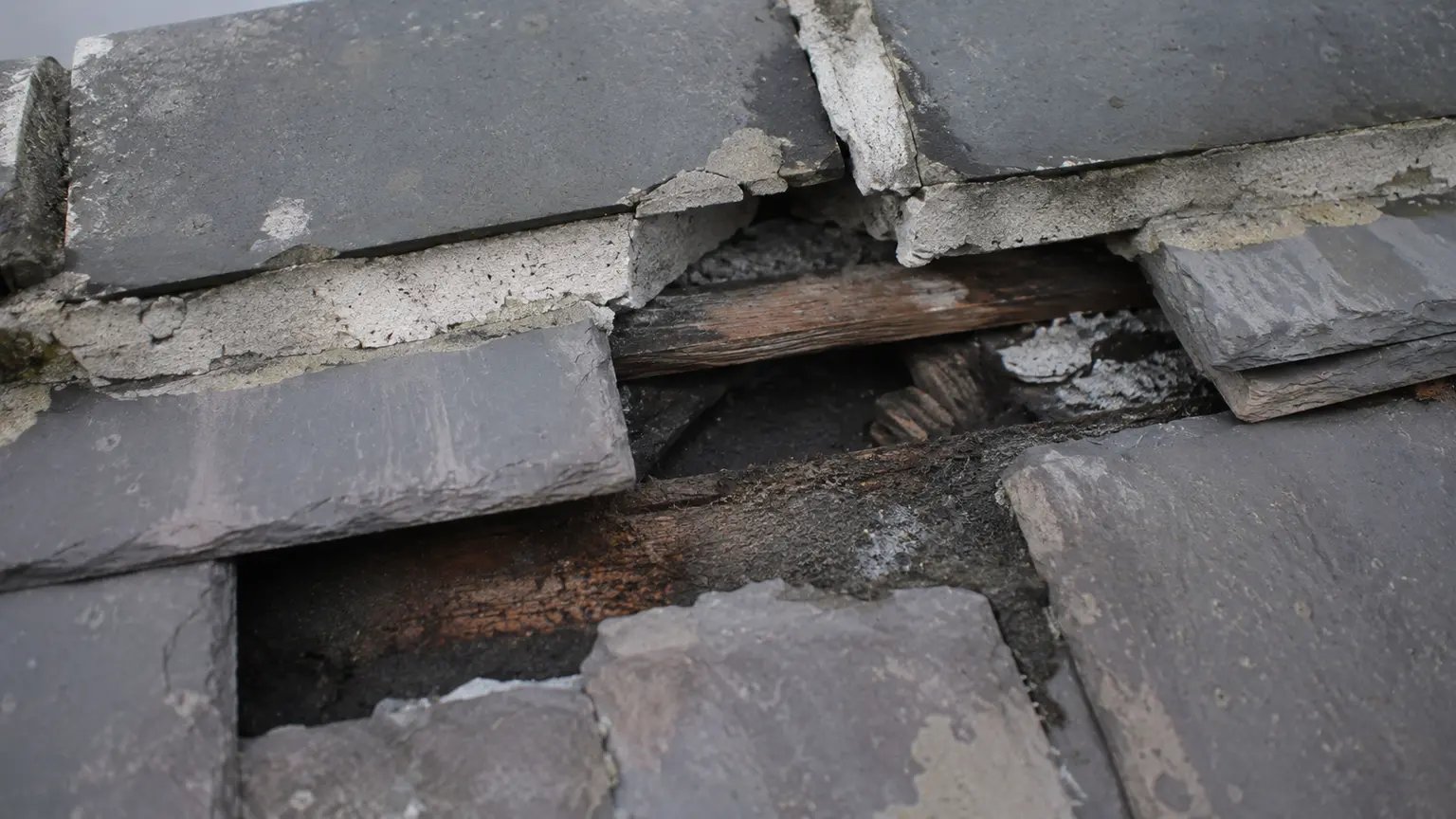
The damage roofers deal with after a storm
Wind does the most damage and it finds the weak points first. The most common storm roof damage in Ireland is slipped, cracked or missing slates and tiles, lifted or broken ridge tiles, torn lead and flashing at chimneys and walls, and lifted or punctured flat roofs. A storm-damaged roof often shows up first as a leak or a damp patch on a ceiling, some distance from where the water is actually getting in.
- Slipped, cracked or missing slates and tiles
- Lifted or broken ridge tiles
- Torn lead and flashing at chimneys and walls
- Lifted or punctured flat roofs
- Fascia, soffit and guttering pulled off the eaves
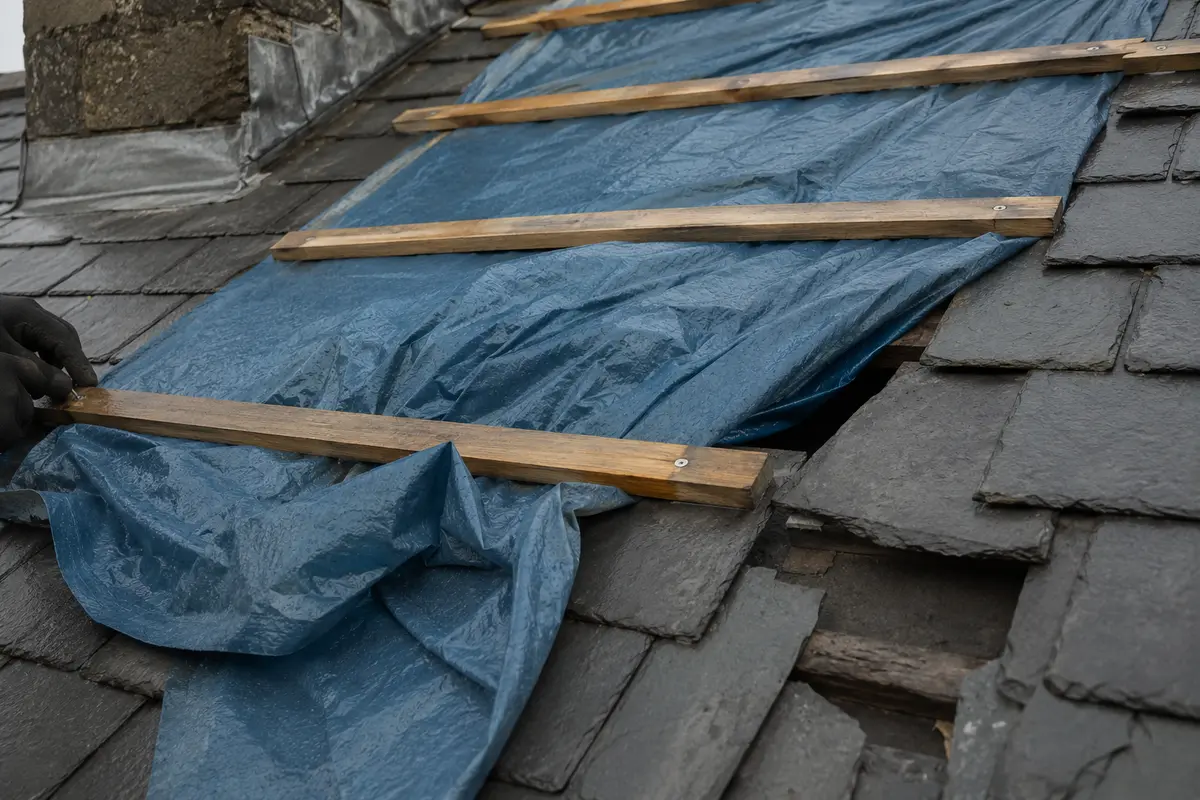
Emergency make-safe and tarpaulin cover
When water is getting in, the first job is to make the roof safe and watertight, not to carry out the full repair. A roofer will fit a temporary tarpaulin or cover over the damaged section to keep the rain out, secured properly so it does not lift in the next gust. This buys time, limits the internal damage to ceilings and contents, and is what most insurers expect you to arrange. The permanent repair follows once it is safe to work and materials are to hand.
- Same-day make-safe where access allows
- Tarpaulin and cover to stop water ingress
- Limits damage to ceilings and contents
- Permanent repair scheduled to follow
Where storm damage tends to happen
Slate and tile roofs
Wind lifts and slips slates and breaks ridge tiles, leaving the felt exposed. Older slate roofs and exposed coastal homes are the most vulnerable.
Flat roofs
A storm can lift a poorly fixed flat roof at the edges or puncture the membrane with debris, letting water straight into the room below.
Sheds and farm buildings
Agricultural sheeting takes the brunt in open countryside. See our barn and farm roof page.
What storm roof repairs cost
Indicative 2026 ranges. Storm damage is often covered by home insurance, so keep your photographs and receipts.
- Stops active water ingress
- Same day where possible
- Re-fix or replace damaged areas
- Restores the roof properly
- Where damage is extensive
- Often an insurance claim
VAT at 13.5 per cent applies to construction services. Access, height and the extent of the damage move the final figure, so get a written quote.
Choose your county
Select your county to get matched with rated local roofers for storm repairs.
Signs of storm damage to your roof
Some storm damage is obvious, some only shows up later as a leak. Check for these after a spell of bad weather.
Damp on the ceiling
Brown staining or a fresh damp patch means water is already getting in through the roof.
Slates on the ground
Slates or tiles in the garden or driveway after a storm mean gaps the rain will follow.
Lifted ridge or flashing
A crooked ridge line or lifted lead at the chimney is a common storm weak point.
Daylight in the attic
Light through the roof from inside the attic is a clear gap that needs sealing fast.
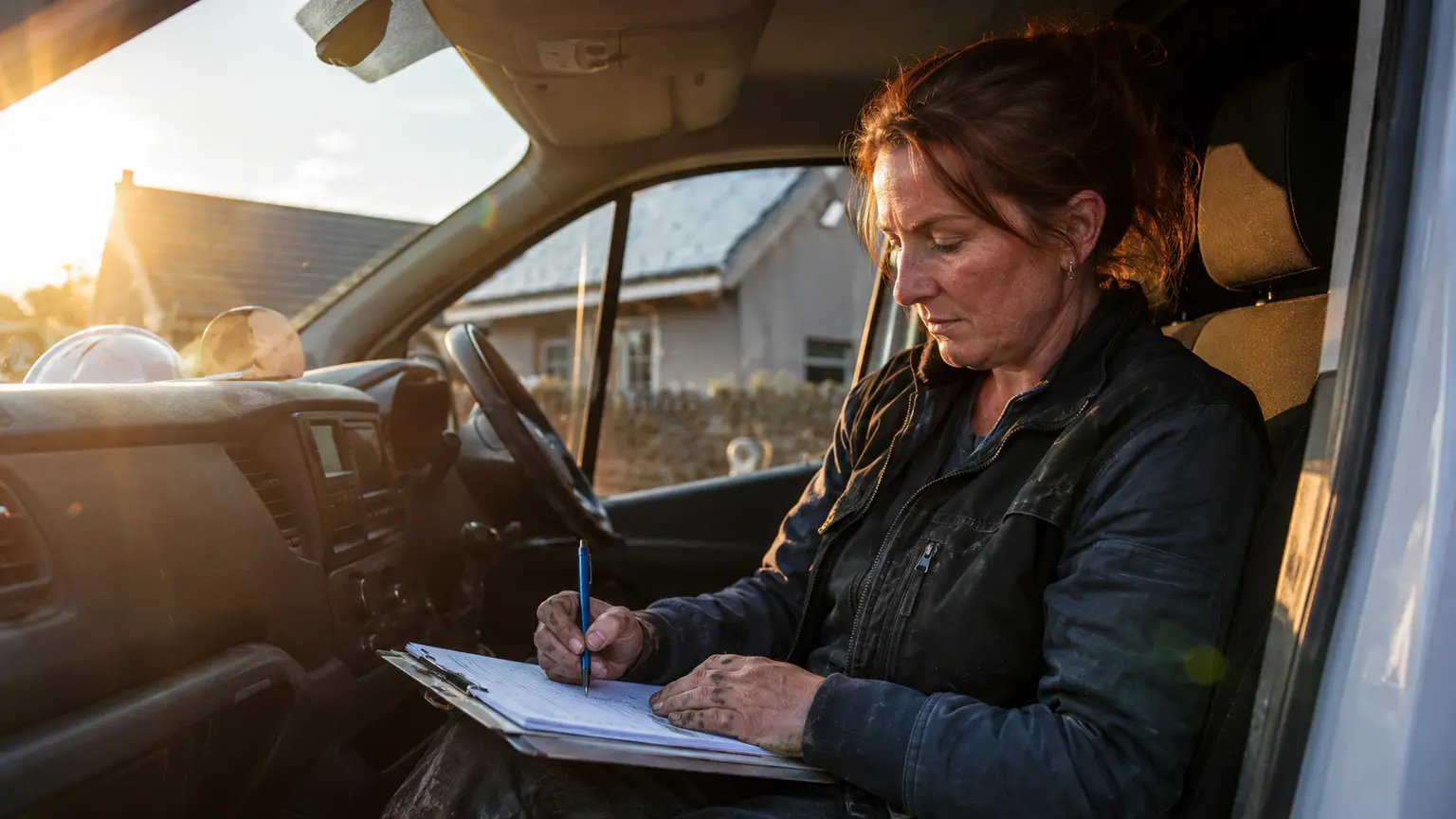
Storm damage and your insurance
Most Irish home insurance policies cover storm damage to the roof, but the detail matters. Photograph the damage as soon as it is safe, keep receipts for any emergency make-safe, and report the claim to your insurer promptly. A reputable roofer will provide a written report and quote you can submit with the claim, and will carry out the temporary make-safe that most policies expect you to arrange to prevent further damage. Wear and tear and pre-existing disrepair are usually excluded, which is why a roof kept in good order and documented before the season claims more easily.
- Photograph the damage before any work
- Keep receipts for emergency make-safe
- Get a written report and quote for the claim
- Report the claim to your insurer promptly
For burst pipes, flooding or water ingress, you will also want a plumber, see plumbersinireland.ie. If water has reached your wiring, have a registered electrician check it before switching anything back on.
What to do after a storm
If a storm has damaged your roof, a calm, ordered response limits the damage and makes any insurance claim far easier. Here is what to do, in order.
Stay safe
Stay off the roof and away from loose slates and power lines.
Contain the water
Buckets under leaks, move valuables, turn off affected electrics.
Photograph it
Document all the damage for your insurance claim.
Get a make-safe
Call a roofer to stop the water with a tarpaulin or cover.
Repair properly
Arrange the permanent repair with a written quote.
Storm roof damage questions, answered
Is Storm Lilith going to hit Ireland?
Storm Lilith is a named storm on the 2025/26 Met Éireann, UK Met Office and KNMI list, but a name on the list does not mean it has formed yet. Whether it actually tracks toward Ireland is only confirmed once the storm develops and Met Éireann issues a warning. This page is here in advance so you are ready either way: check the official Met Éireann warnings for the latest, and use the time now to get your roof storm-ready.
When will Storm Lilith hit Ireland?
The timing of Storm Lilith can only be known once it has formed and Met Éireann is tracking it, usually a few days out. We will update this page with the expected timing, warning level and worst-hit counties as soon as it does. In the meantime, the safe assumption during the 2025/26 season is that bad weather can arrive at short notice, so prepare your roof now rather than in the scramble before it lands.
Which counties will Storm Lilith affect?
Irish storms usually hit the exposed western and coastal counties hardest, but the worst-hit areas depend entirely on the storm's track. Once Storm Lilith is named and warnings are issued, we will list the worst-hit counties here. Whatever county you are in, you can find rated local roofers on this site for storm repairs and emergency call-outs.
How do I prepare my roof for Storm Lilith?
Before Storm Lilith arrives, clear gutters and outlets so water can drain, check for and re-fix any loose or slipped slates, secure or store anything that could become airborne, and look over the flashings around the chimney. If your roof is older, exposed or coastal, a quick survey now is far cheaper than a repair in the aftermath.
What should I do first after Storm Lilith damages my roof?
Stay safe and stay off the roof while it is wet or windy. From the ground, look for missing or slipped slates, displaced ridge tiles and debris. Inside, put buckets under any leak and move valuables clear. Photograph everything for your insurer, then call a local roofer for an emergency make-safe to stop further water getting in.
How much does emergency storm roof repair cost in Ireland?
An emergency call-out and make-safe typically costs EUR 150 to EUR 400, a temporary tarpaulin or cover EUR 200 to EUR 600, and the permanent repair afterwards from EUR 400 upwards depending on the damage. Major damage that needs a partial or full re-roof costs more. Storm damage is often covered by home insurance, so keep all receipts and photographs.
Will my home insurance cover storm roof damage?
Most Irish home insurance policies cover storm damage to the roof, but wear and tear and pre-existing disrepair are usually excluded. Report the claim promptly, photograph the damage before any work, keep receipts for emergency make-safe, and get a written report and quote from a roofer to submit with your claim.
How fast can a roofer come out after a storm?
Demand spikes in the days after a big storm, so the fastest results come from contacting several local roofers at once rather than waiting on one. Many will prioritise a make-safe to stop active water ingress, then schedule the permanent repair. Tell us your county and we will match you with available roofers near you.
Can a roof be tarped in the rain?
Yes, an experienced roofer can fit a temporary tarpaulin or cover in poor conditions to keep water out until a permanent repair is possible, as long as it is safe to access the roof. It is not a job to attempt yourself in a storm. The make-safe buys time and limits the internal damage while you arrange the full repair.
How do I avoid rogue traders after a storm?
Storms bring out door-to-door "storm chasers" offering cheap fixes for cash. Use a rated local roofer with a real business and Google reviews, get the quote in writing, never pay in full up front, and be wary of anyone pressuring you to decide on the spot. Every roofer in our directory is a listed business with a public Google rating.
Ready for Storm Lilith?
Tell us about the job and we will match you with rated local roofers in your county. Free, no obligation, no fees.
Get my free quotes