
Roof repair contractors in Ireland
Got a leak, slipped slates or storm damage? Compare 662 rated local roof repair specialists across all 26 counties. Tell us what has gone wrong and we will match you with roofers in your county, fast.
Free and no obligation. Emergency callouts available, most roofers reply within 24 hours.
What do you need a roof repair for?
Pick what brought you here and we will point you to the right local contractors. Every roofer in our directory is rated, reviewed and free to contact.
Roof repair contractors by county
Select your county to see rated roof repair contractors near you, with phone numbers, Google ratings and opening hours.
Roof repairs for Irish homes and businesses
Roof repairs are the single most common job a roofer is called out for in Ireland. Our weather does the damage: months of wind-driven rain, the odd Atlantic storm, frost and the constant freeze-thaw that loosens slates and cracks mortar. The contractors in our directory carry out every kind of repair, from refixing a handful of slipped slates and replacing a cracked ridge tile to chasing down a stubborn leak, renewing leadwork and flashings, and patching flat roofs. Whether you have a fresh leak after a storm or damp that has been creeping across a ceiling for weeks, you can compare rated local specialists and contact them directly. From roof repair specialists in Dublin and Cork to emergency roofers in Galway, Limerick and Waterford, there are rated contractors in every county.
The key with a roof repair is timing. A single slipped slate is a cheap, quick fix, but left alone it lets water onto the battens and felt, then into the ceiling, the insulation and eventually the timbers and wiring. What starts as a EUR 200 job can turn into a EUR 2,000 one in a couple of wet winters. The good news is that most roof problems are localised and repairable: you rarely need to replace a whole roof to fix a leak. The skill is in finding the real source, because water travels along battens before it drips, so the stain inside is often nowhere near the fault outside. That is why a proper repair starts with a survey, not a guess.
Use this page to understand the common repairs, get a feel for 2026 prices and shortlist a contractor, then send your details to get quotes back from rated roofers in your county. If you would rather read the detail first, our in-depth roof repairs guide walks through leaks, slates and flashings, and our roofing cost guide breaks down prices across every job type. Every roofer listed here is a real business with a public Google rating, and we never sell leads or take a cut.
The roof repairs Irish roofers do most
Most leaks and roof faults come down to a handful of common problems. Here are the repairs local roofers are called out for again and again.
Slipped and missing slates and tiles
The most common repair of all. Nail fatigue, age and storms loosen slates until they slip or blow off, leaving a gap that lets water straight onto the felt below. A roofer refixes the slate with a new nail or a copper or lead tingle, or replaces a cracked one with a colour-matched slate. Caught early it is a quick, low-cost job, which is exactly why a slipped slate spotted from the ground should never be ignored.
Cracked or loose ridge tiles
The ridge tiles along the apex of the roof are bedded on mortar that cracks and crumbles over the decades, letting wind lift the tiles and rain track underneath. The modern fix is to re-bed the ridge or re-point it using a dry-fix ridge system that mechanically clamps each tile without relying on mortar. Loose ridge tiles are a real hazard in high winds, so they are a repair worth dealing with promptly.
Leadwork and flashing leaks
Lead flashings seal the joints where the roof meets a chimney, a wall, a valley or a dormer, and these junctions are where a high share of leaks begin. Old lead splits, mortar pulls away and cheap flashing tape fails. A roofer renews the lead, re-dresses it into the brickwork and re-points the joints to make a lasting seal. Good leadwork is a craft, and it is what keeps a chimney from quietly soaking the wall behind it.
Flat roof leaks
Older felt flat roofs over extensions and garages leak as the membrane splits, blisters or lifts at the upstands and outlets. Many are repairable with a localised patch, a re-sealed seam or a cleared and re-flashed outlet, buying years from a roof that is otherwise sound. Where the felt has failed across the whole roof, recovering it with EPDM is the better spend. A roofer will tell you honestly which it is.
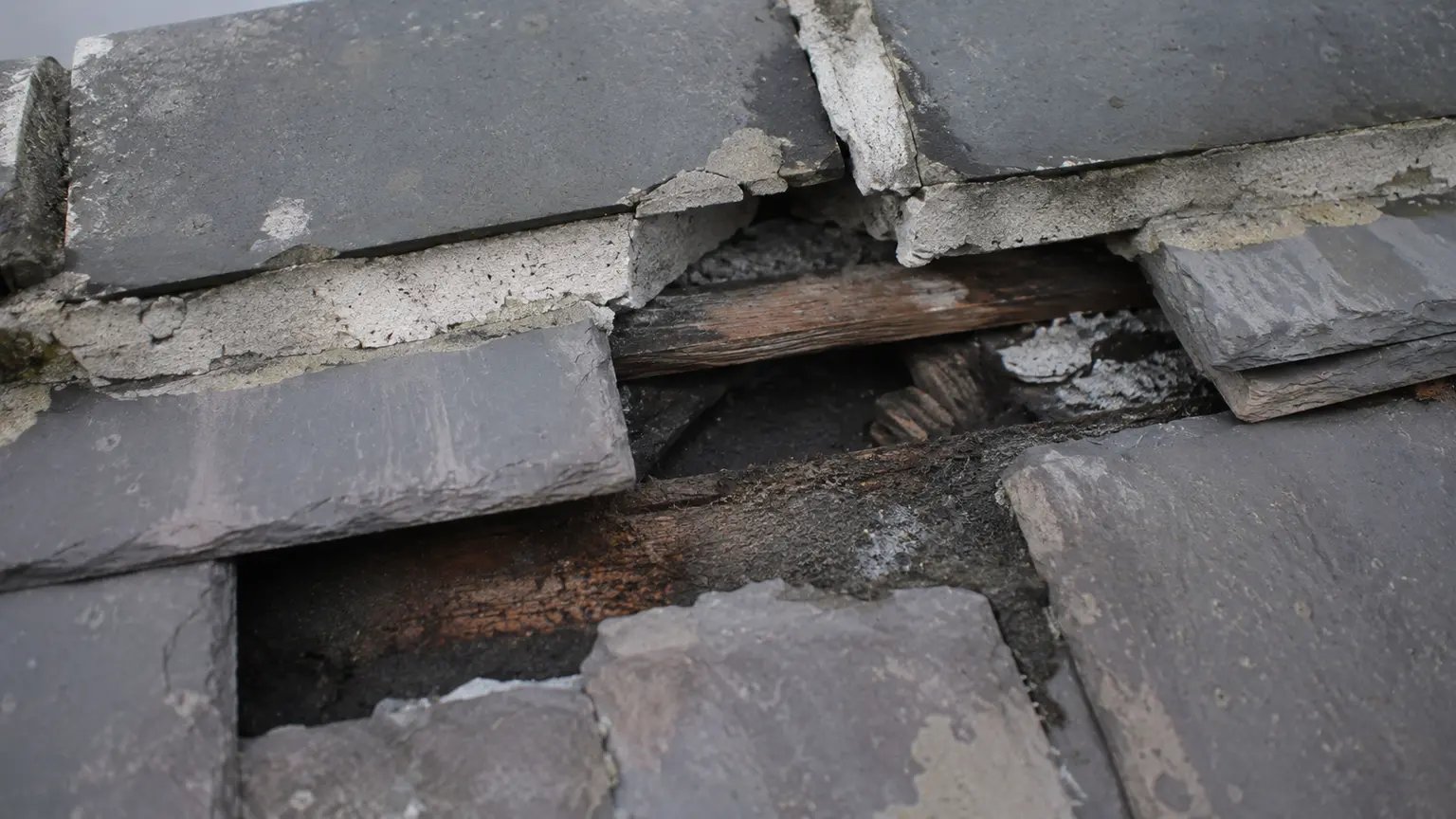
Why repairs fail and how to find the real leak
The most common reason a repair does not hold is simple: the wrong spot was fixed. Water that enters at a slipped slate or a failed flashing rarely drops straight down. It runs along the battens and over the felt, sometimes for several metres, before it finds a nail hole or a lap and drips through the ceiling. Seal the stain on the inside and you have done nothing, the water just finds the next path. A good roofer works the other way, tracing back from where it shows up to where it actually gets in.
That is why a thorough roofer surveys the roof, checks the slates, the valleys, the flashings and the ridge around the suspected area, and often looks in the attic for the tell-tale damp trail before committing to a repair. It takes a little longer than a guess, but it is the difference between a repair that lasts and one you are paying for again next winter. If your roof keeps leaking after work, the source was never found, and it is worth bringing in a roofer who will take the time to trace it properly.
- Leaks travel along battens before they drip
- The inside stain is rarely below the real fault
- Flashings, valleys and ridges are common entry points
- A survey beats a guess every time
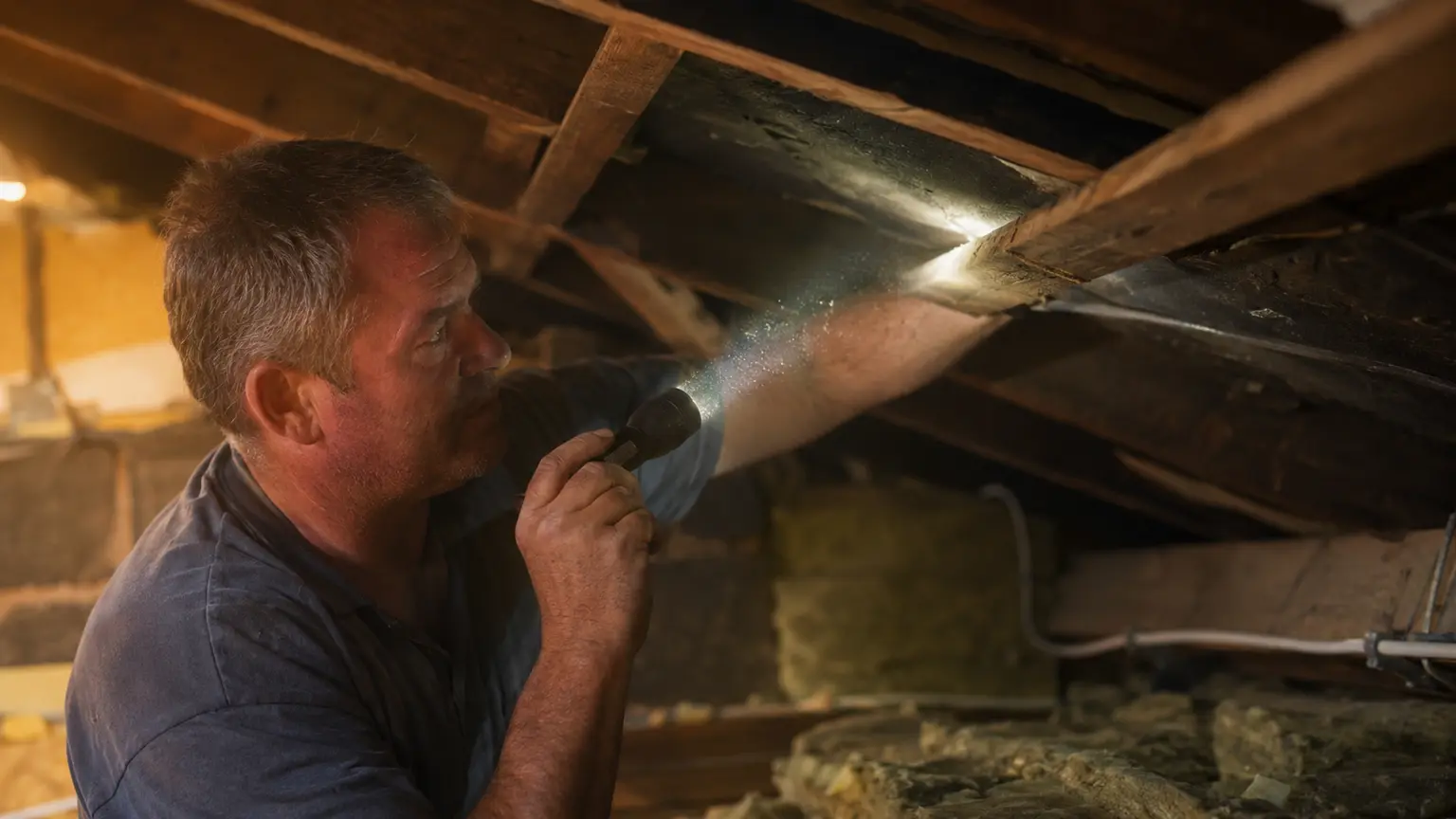
Loft inspections, damp and hidden damage
Some of the most useful evidence of a roof problem is inside the attic, not up on the slates. On a wet day a roofer can see exactly where daylight shows through, where the felt is stained or torn, and where water is tracking down a rafter. Damp timbers, a musty smell, dark patches on the underside of the boards and water marks on the felt all point to the entry route, often more reliably than what is visible from the ground.
Catching this early matters because hidden water does the expensive damage. Left long enough it rots the battens and rafters, soaks the insulation so it stops working, and can reach electrical wiring. A small leak found in the attic in autumn is a cheap repair, while the same leak ignored until the ceiling sags is a structural job. If you can get into your attic safely, a quick look after heavy rain with a torch is one of the best early-warning checks a homeowner can do.
- Daylight through the roof means a clear gap to seal
- Stained or torn felt shows the water path
- Damp rafters and insulation point to a hidden leak
- Early attic checks stop small leaks becoming big bills
Repair, partial re-roof or full replacement
A leak does not always mean a new roof. Here is how a roofer weighs a quick repair against a partial re-roof and a full replacement.
| Repair | Partial re-roof | Full replacement | |
|---|---|---|---|
| When it makes sense | Localised, sound roof | One bad slope or valley | Failing across the roof |
| Rough cost | EUR 150 to 1,200 | EUR 1,200 to 4,000+ | EUR 6,000 to 15,000+ |
| Time gained | Years on a good roof | Resets one section | 40 to 100 year reset |
| Disruption | Low, often one visit | Moderate, scaffold | High, days of work |
| Best for | Most leaks and slips | Storm-hit slopes | Perished old roofs |
For the large majority of Irish homes, a localised repair is the right call. Re-roofing only wins when slates, battens or felt are failing across the whole roof.
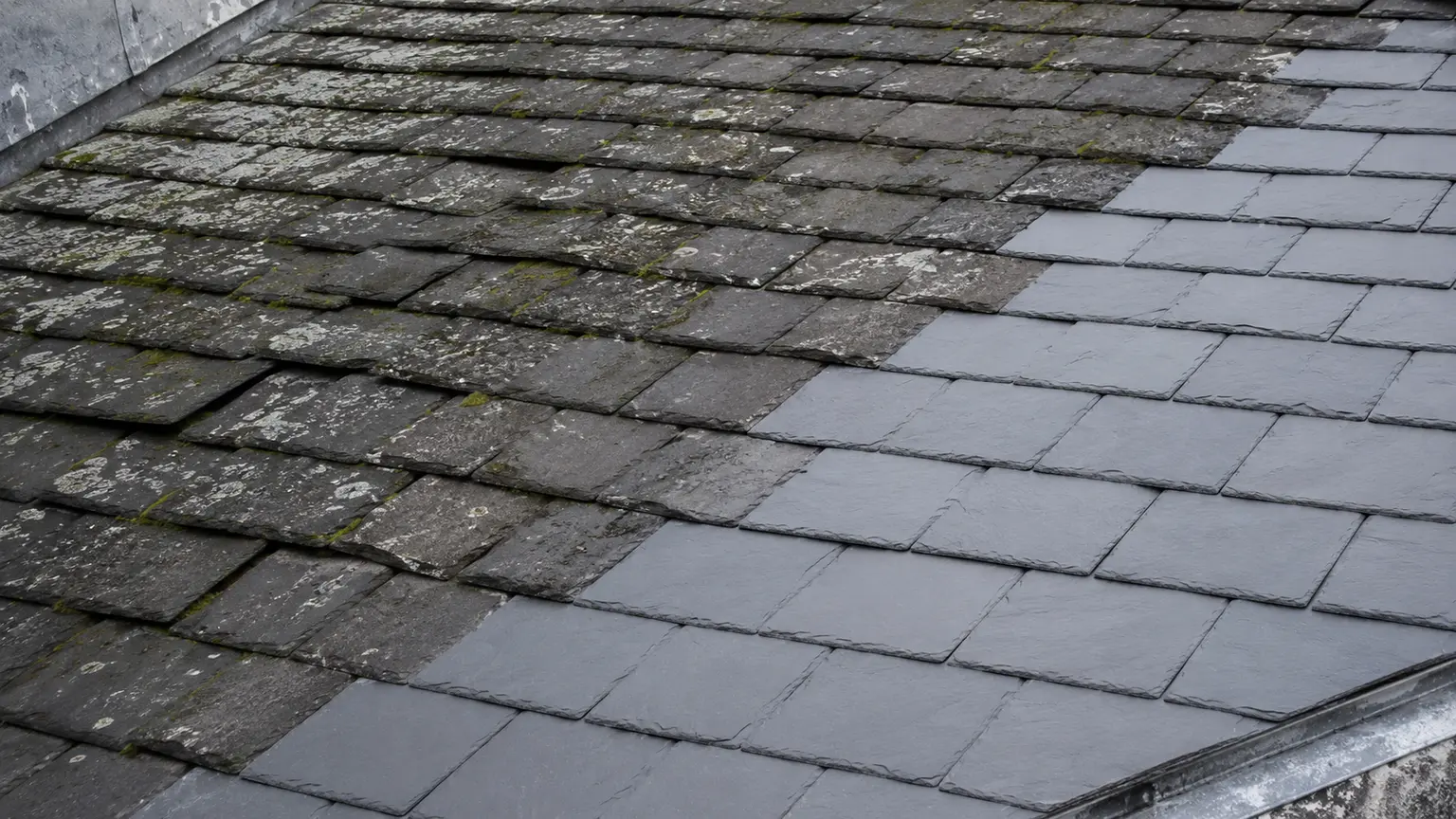
When repair stops paying and you re-roof
There comes a point where repairing an old roof is throwing good money after bad. The tell is repetition: if you are calling a roofer every winter to refix slates that keep slipping, the problem is usually not the individual slates but the nails holding them. Older roofs were fixed with iron nails that rust and snap, a failure known as nail sickness, and once it sets in across a roof the slates will keep coming loose no matter how many you refix. At that stage a re-roof, stripping and relaying the slates on new battens and felt with stainless or copper nails, is the better spend.
The same logic applies when the felt underlay has perished, when the battens are rotten, or when a roof is leaking in several places at once. A roofer who is honest with you will say when repairs have stopped making sense and put the money towards a roof that resets the clock for decades. Comparing the cost of the repairs you have already paid for against a re-roof quote usually makes the decision clear, and a survey will tell you which side of the line your roof sits on.
- Repeated slips often mean nail sickness, not bad slates
- Perished felt and rotten battens point to a re-roof
- Several leaks at once rarely justify patch after patch
- A survey settles repair versus re-roof honestly
Slate, ridge, chimney and flat roof repairs
Slate and tile repairs
Slipped, cracked and missing slates and tiles are the bread and butter of roof repair work in Ireland. A roofer refixes loose slates with copper or lead tingles, replaces broken ones with a colour-matched slate, and checks the surrounding area for nail sickness that would cause more to slip soon. Natural slate, fibre cement and concrete tiles each need slightly different handling, and a good roofer carries or sources a close match so a repair does not stand out as an obvious patch against the rest of the roof.
Ridge and chimney repairs
The ridge line and the chimney are where wind and rain attack hardest. Cracked mortar lets ridge tiles loosen and lets water into the chimney stack, while failed lead flashing and crumbling pointing around the chimney soak the wall and chimney breast inside. Roofers re-bed or dry-fix the ridge, re-point and re-flash the chimney, and renew chimney cowls and caps. These high, exposed repairs are where proper access and craft matter most, and where a botched job shows up fast.
Flat roof and flashing repairs
Flat roofs over extensions, garages and dormers, and the flashings that seal every roof junction, are a common source of leaks. A roofer patches split or blistered felt, re-seals lifted seams and upstands, clears and re-flashes blocked outlets, and renews the lead and step flashings where a roof meets a wall or dormer. Many of these are localised fixes that hold for years. Where a flat roof has failed across the board, recovering it with EPDM is the cleaner long-term answer.
Storm damage and emergency roof repairs
Irish winters bring named storms that strip slates, lift ridge tiles, tear off flat roof membranes and bring down chimneys and aerials. After a storm the priority is making the roof safe and watertight, not a perfect permanent repair. Many roofers in our directory offer emergency callouts, fitting a temporary cover or tarpaulin and clearing any dangerous loose material the same day, then returning to carry out the proper repair once the weather settles and any scaffold is in place. Acting quickly stops water reaching ceilings, insulation and wiring while you wait.
Storm damage is also where home insurance comes in. Sudden, accidental damage from a storm is usually covered, where gradual wear and tear is not, so it pays to photograph everything, keep the roofer’s written report and quote, and contact your insurer before work starts where you can. A roofer who is used to insurance claims will document the cause and the damage in a way that supports your claim. Because demand spikes after every storm, contacting two or three local roofers straight away gives you the best chance of a fast callout and a fair price rather than a rushed one.
Typical roof repair costs in Ireland
Indicative 2026 ranges for common repairs. The figure depends on access, height and how much has failed, so always get a written quote for your roof.
- Refix slipped slates
- Seal a flashing or outlet
- Ridge, valley or leadwork
- Larger leak traced and fixed
- Storm-hit slope re-roofed
- Structural or timber repair
The figures above are a guide. The only way to know what your repair will cost is a written quote based on a look at the roof, because the access, the height, whether scaffold is needed and how much has actually failed all move the price. Sending your details to two or three local roofers and comparing their quotes side by side is the quickest way to a realistic figure, and it costs nothing.
VAT at 13.5 per cent applies to construction services. The main cost variables are whether scaffold or a cherry picker is required for access, the roof height and pitch, how far the damage has spread, and how closely a replacement slate or tile needs to be matched.
Tell us the job, we will get a roofer to you
Choose your county and rated local roofers will come back to you with repair quotes, usually within 24 hours. No fees, no obligation.
26 counties covered, pick yours to get matched
Choose your county
Select your county to get matched with rated local roofers.
Signs your roof needs repair
Catching a roof problem early keeps it cheap, because water that reaches the timbers and insulation turns a quick fix into a major job. Watch for these signs.
Water stains on ceilings
Brown patches or damp on upstairs ceilings mean water is already getting in above.
Slipped or missing slates
Gaps or crooked slates visible from the ground leave the felt exposed to rain.
Granules in the gutters
Slate fragments or tile granules washing into the gutters show the surface is breaking down.
Daylight in the attic
Light coming through the roof during the day is a clear gap that rain will follow.
Why timely roof repair saves you money
The single best thing a homeowner can do for a roof is act on small problems before they grow. A slipped slate refixed in a morning costs a couple of hundred euro. The same slipped slate ignored through a wet winter lets water onto the battens and felt, then into the insulation and the ceiling below, and now you are paying for a roof repair, a damaged ceiling, ruined insulation and sometimes electrical work too. Roof problems never get cheaper by waiting, they only ever get worse and more expensive.
A little maintenance goes a long way. Keep the gutters and valleys clear so water drains instead of backing up under the slates, glance up at the roof from the ground after every storm to spot anything slipped or missing, and take a torch into the attic after heavy rain to check for damp or daylight. Many roofers offer a low-cost inspection or maintenance visit, and an annual once-over by someone who knows what to look for is cheap insurance against the kind of leak that does its damage quietly, out of sight, until a ceiling finally gives way.
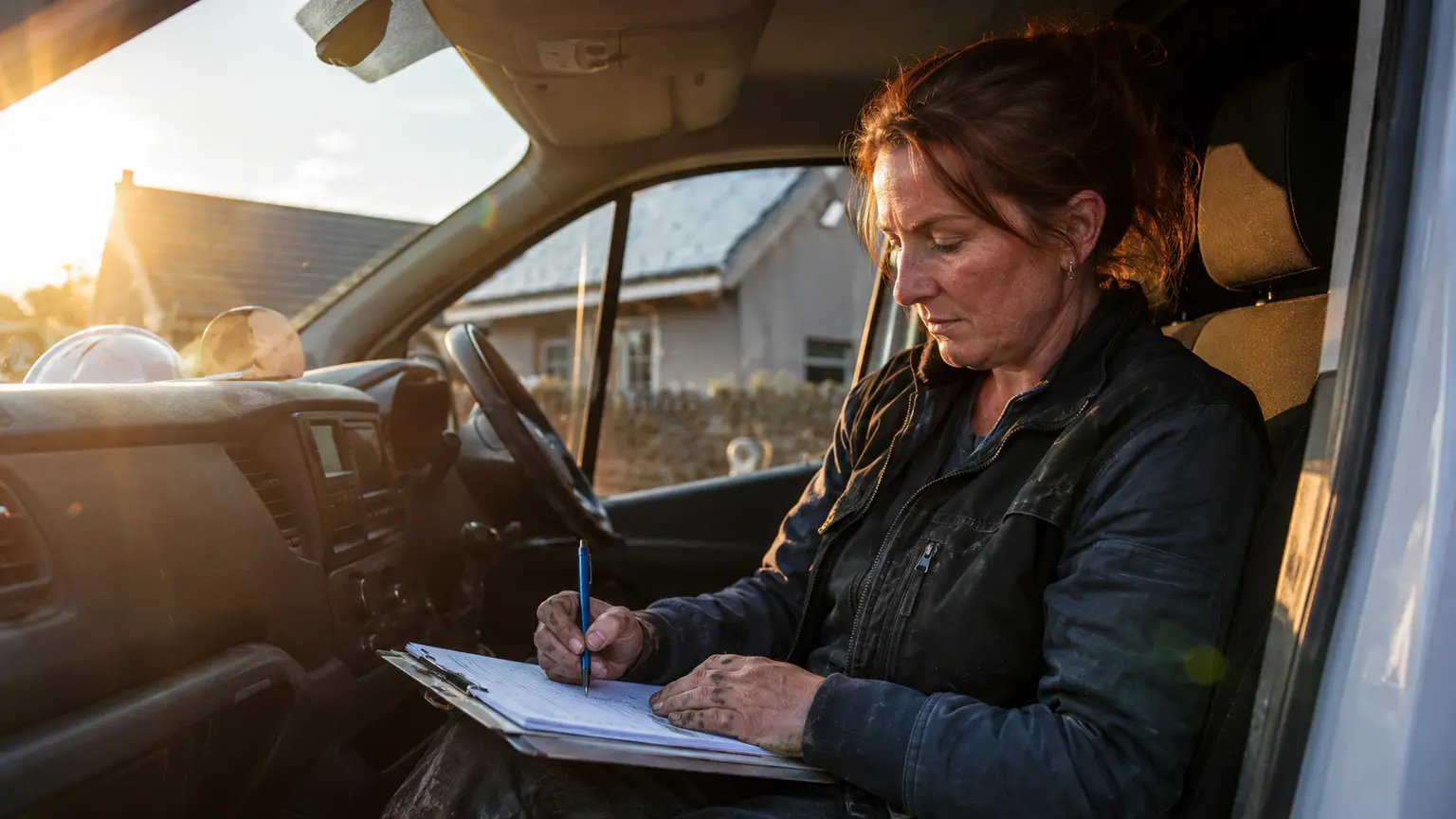
How to choose a roof repair contractor
The cheapest roof repair is the one that holds, so the roofer matters more than the quote. Before you commit, ask for a written quote that states what is being repaired and what it includes, rather than a verbal figure shouted from a ladder. Check the roofer has public liability insurance, look at their Google reviews, and ask whether they will trace the leak to its source rather than seal the nearest stain. A roofer who surveys the roof before quoting is worth more than one who prices it from the road.
Be wary of anyone who knocks on your door after a storm offering an instant cash repair, a common pattern that leaves homeowners out of pocket for work that was never done properly. Stick to roofers with a real local presence and a public track record, get the guarantee in writing, and compare two or three quotes side by side. Every roofer in our directory shows their Google rating and review count, so you can judge them before you call and avoid the chancers.
- Insist on a written quote, not a verbal figure
- Confirm public liability insurance is in place
- Check Google ratings and recent reviews
- Ask how they will trace the leak to its source
- Get the workmanship guarantee in writing
What to expect from a roof repair visit
From the first inspection to a tidy finish, a roof repair follows a simple, predictable sequence. Here is how a good contractor works, and what happens at each stage so there are no surprises on the day.
Get your repair booked- 1
Inspection
The roofer examines the roof from the ground, by ladder or scaffold, and often the attic, to see the full extent of the damage rather than just the obvious spot.
- 2
Find the source
Because water travels before it drips, the roofer traces the leak back from the stain to where it actually gets in, checking slates, flashings, valleys and the ridge.
- 3
Written quote
You get a clear, written quote setting out the repair, what is included and the price, so there are no surprises and you can compare it with others.
- 4
Carry out the repair
The roofer refixes or replaces the failed slates, ridge, flashing or membrane, matching materials to the existing roof so the repair blends in and lasts.
- 5
Check and tidy
Many repairs are done in one visit. The roofer checks the work holds water, clears any debris and old materials, and hands over the guarantee in writing.
Get roof repair quotes in four steps
Getting quotes from local roofers takes minutes, not days. Tell us what has gone wrong, compare the roofers who come back to you, and choose with no pressure and no fees. Here is how it works from start to finish.
Tell us the problem
The fault, the roof type and your county.
Get matched
See vetted local roofers near you.
Compare quotes
Written quotes, no obligation to proceed.
Choose your roofer
Deal direct, with no middleman fee.
Roof repair questions, answered
How much does roof repair cost in Ireland?
Most roof repairs in Ireland cost between EUR 150 and EUR 1,200. A minor job such as refixing a few slipped slates or sealing a flashing typically runs EUR 150 to EUR 400, while a medium repair to ridge tiles, valleys or a larger leak is usually EUR 400 to EUR 1,200. Larger structural work or a partial re-roof starts around EUR 1,200 and can pass EUR 4,000. VAT at 13.5 per cent applies.
How long does a roof repair take?
Many roof repairs are completed in a single visit of two to four hours, including refixing slates, replacing a cracked ridge tile or sealing a flashing. A larger repair involving scaffold, several access points or a section of new leadwork can run a full day or two. Wet or windy weather often pushes work back, as roofers will not work at height in unsafe conditions.
Can you repair just part of a roof?
Yes. A localised repair to one slope, one valley or a single chimney is routine and far cheaper than re-roofing the whole house. A good roofer isolates the failed area, matches the existing slate or tile as closely as possible, and leaves the rest of a sound roof untouched. Partial repairs make most sense when the bulk of the roof still has years of life left.
Should I repair or replace my roof?
Repair makes sense when the damage is localised and the rest of the roof is sound, which covers the large majority of jobs. Replacement becomes the better spend when slates are failing across the whole roof, the battens or felt have perished, or you are paying for repeated repairs every winter. A roofer can survey the roof and tell you honestly which way the numbers point.
Can I get an emergency roof repair?
Yes. Many roofers in our directory offer emergency callouts for active leaks and storm damage, often making the roof safe and watertight the same day with a temporary cover before a permanent repair is scheduled. After a storm, demand is high, so contact two or three local roofers quickly. A temporary fix stops water reaching ceilings, insulation and wiring while you wait.
Will home insurance cover my roof repair?
Sudden, accidental damage such as a storm tearing off slates is usually covered by home insurance, while gradual wear and tear and lack of maintenance generally are not. Photograph the damage, keep the roofer’s written report and quote, and contact your insurer before work starts where you can. A roofer experienced with insurance claims can document the cause to support your case.
How do I know if my roof needs repair?
The common warning signs are water stains or damp patches on upstairs ceilings, slipped or missing slates visible from the ground, granules or fragments of slate collecting in the gutters, and daylight showing through the attic during the day. Any one of these means water is finding a way in, and a roofer should inspect it before the damage spreads to timbers.
Do roofers give a guarantee on repairs?
Reputable roofers stand over their work and most offer a workmanship guarantee on repairs, commonly one to five years depending on the job. Always ask what the guarantee covers, get it in writing on the quote, and check the roofer’s public liability insurance is in place. A roofer who will not guarantee a repair is one to avoid.
Why does my roof keep leaking after repairs?
A leak that returns usually means the real entry point was never found. Water often travels along battens or felt before dropping through a ceiling, so the stain inside can be metres from the actual fault. A thorough roofer traces the leak to its source, checks the flashings, valleys and slates around it, and fixes the cause rather than the symptom.
Ready to sort your roof?
Compare rated roof repair specialists in your county, check their Google rating and contact them directly. No middleman, no fees.
Get my free roof repair quotes